Elmendorf Tear Strength: Is It the Most Reliable Measure of Fabric and Material Durability?
The elmendorf tear strength is one of the most important mechanical properties used in textile engineering, packaging development, and material science. It defines how resistant a material is to the propagation of an existing tear when subjected to a sudden force. In industries where durability and safety are essential, understanding elmendorf tear strength is critical for ensuring product performance and long-term reliability.
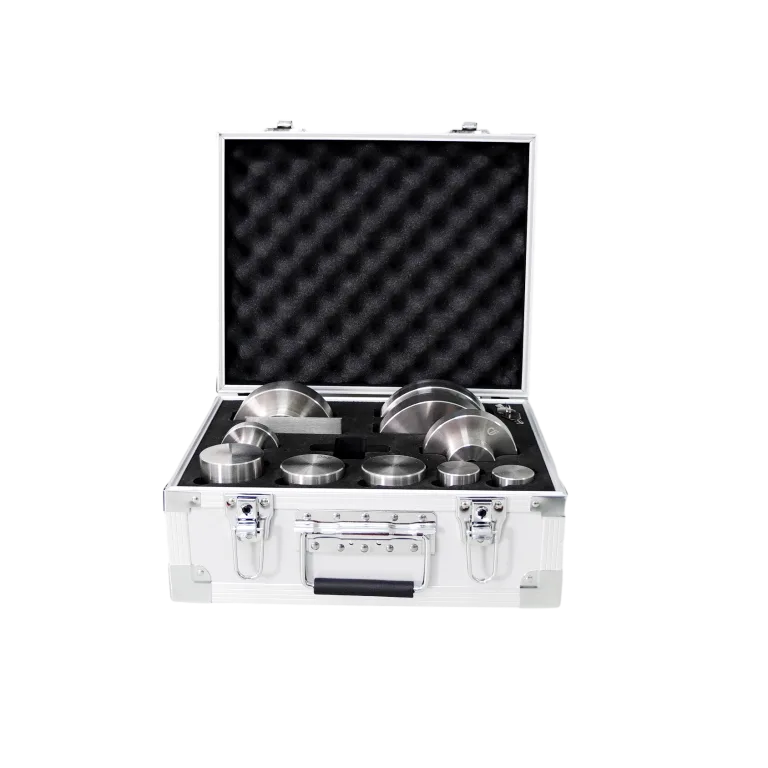
From clothing fabrics to industrial sheets and packaging films, tear strength testing helps manufacturers evaluate how materials behave under real-world stress conditions. The Elmendorf method has become a global standard because of its accuracy, repeatability, and practical relevance in quality control systems.
Elmendorf Tear Strength in Fabric and Material Performance?
The elmendorf tear strength refers to the amount of force required to continue tearing a pre-cut material sample using a controlled testing device. Unlike tensile strength, which measures resistance to stretching, tear strength focuses on how a material resists the spread of an existing tear.
In textile industries, this property is especially important because fabrics are frequently exposed to sudden stress during production, washing, and daily use. A fabric with high tensile strength may still fail if its tear strength is low. This makes elmendorf tear strength a key parameter in evaluating fabric durability.
Woven textiles, nonwoven fabrics, technical textiles, and industrial materials are commonly tested to determine their tear resistance. The results help manufacturers select appropriate materials for garments, upholstery, protective clothing, and industrial applications.
International testing standards such as ASTM D1424 and ISO 1974 define how elmendorf tear strength should be measured. These standards ensure consistency across laboratories, allowing manufacturers worldwide to compare results with confidence.
Elmendorf Tear Strength in Packaging and Industrial Materials
The elmendorf tear strength is not limited to textiles; it plays a major role in packaging, paper, and plastic industries as well. Packaging materials must be strong enough to withstand handling, transportation, and storage without tearing or breaking.
Paper products such as kraft paper, cardboard, and corrugated sheets are regularly tested for tear strength to ensure they can protect goods during shipping. Similarly, plastic films used in food packaging, medical packaging, and industrial wrapping must demonstrate sufficient tear resistance to maintain product safety.
In industrial applications, materials such as geotextiles, composite sheets, and technical membranes are tested for elmendorf tear strength to evaluate their suitability in construction, agriculture, and environmental engineering. These materials often operate in harsh conditions where tearing can lead to structural failure or product damage.
The elmendorf tear strength value helps engineers and designers improve material formulations. By adjusting fiber composition, polymer structure, or manufacturing techniques, they can enhance durability and reduce the risk of material failure in real-world applications.
Elmendorf Tear Strength Testing Method and Working Principle
The measurement of elmendorf tear strength is carried out using a specialized instrument known as the Elmendorf tear tester. This device operates on a pendulum-based energy loss principle that provides precise and repeatable results.
A standard test begins with the preparation of a rectangular sample of material. A small slit is introduced to initiate tearing. The sample is then placed in the clamps of the testing machine, ensuring it is properly aligned for accurate measurement.
When the pendulum is released, it swings through the material, propagating the tear along the pre-cut slit. The energy absorbed during this process is measured and converted into tear strength values. Higher energy loss indicates greater resistance to tearing, which means higher elmendorf tear strength.
Modern Elmendorf tear testers often include digital systems, automated calibration, and data recording features. These advancements improve testing efficiency and reduce human error, making the process more reliable in industrial and research environments.
Because of its simplicity and accuracy, this method is widely used in quality control laboratories and material research centers. It provides standardized results that are essential for comparing different materials and ensuring compliance with industry requirements.
Elmendorf Tear Strength in Quality Control and Product Development
The elmendorf tear strength is a vital parameter in quality control systems across multiple industries. It is often used alongside other mechanical tests such as tensile strength, bursting strength, and abrasion resistance testing to provide a complete understanding of material performance.
In textile manufacturing, tear strength testing ensures that fabrics meet durability standards before they are used in garments or industrial applications. This helps reduce product failures and improves customer satisfaction.
In packaging industries, elmendorf tear strength data ensures that materials can withstand mechanical stress during shipping and handling. This is especially important for industries such as food, pharmaceuticals, and consumer goods, where packaging integrity is critical.
Research and development teams also rely on elmendorf tear strength testing to create new materials with improved performance characteristics. By analyzing tear behavior, scientists can develop stronger fabrics, more durable packaging films, and advanced composite materials.
As industries continue to innovate, the demand for materials with optimized mechanical properties is increasing. Elmendorf tear strength testing remains a key tool in achieving these advancements.
Conclusion Elmendorf Tear Strength in Material Engineering
The elmendorf tear strength is a fundamental property in material science that determines how well a material can resist the propagation of a tear under stress. Its importance spans across textiles, packaging, paper, and industrial applications, making it an essential part of modern quality assurance systems.
By providing accurate and standardized measurements, elmendorf tear strength testing helps manufacturers improve product durability, ensure safety, and meet international quality standards. It also supports innovation by enabling the development of stronger and more reliable materials.